
Prepare for Birth with More Confidence, Knowledge & Calm
Free guides, articles, videos and resources to help you understand your body, prepare for labor and feel more at home in the birth process.

Prepare Your Body for Birth
KEY RESOURCES TO BUILD YOUR CONFIDENCE
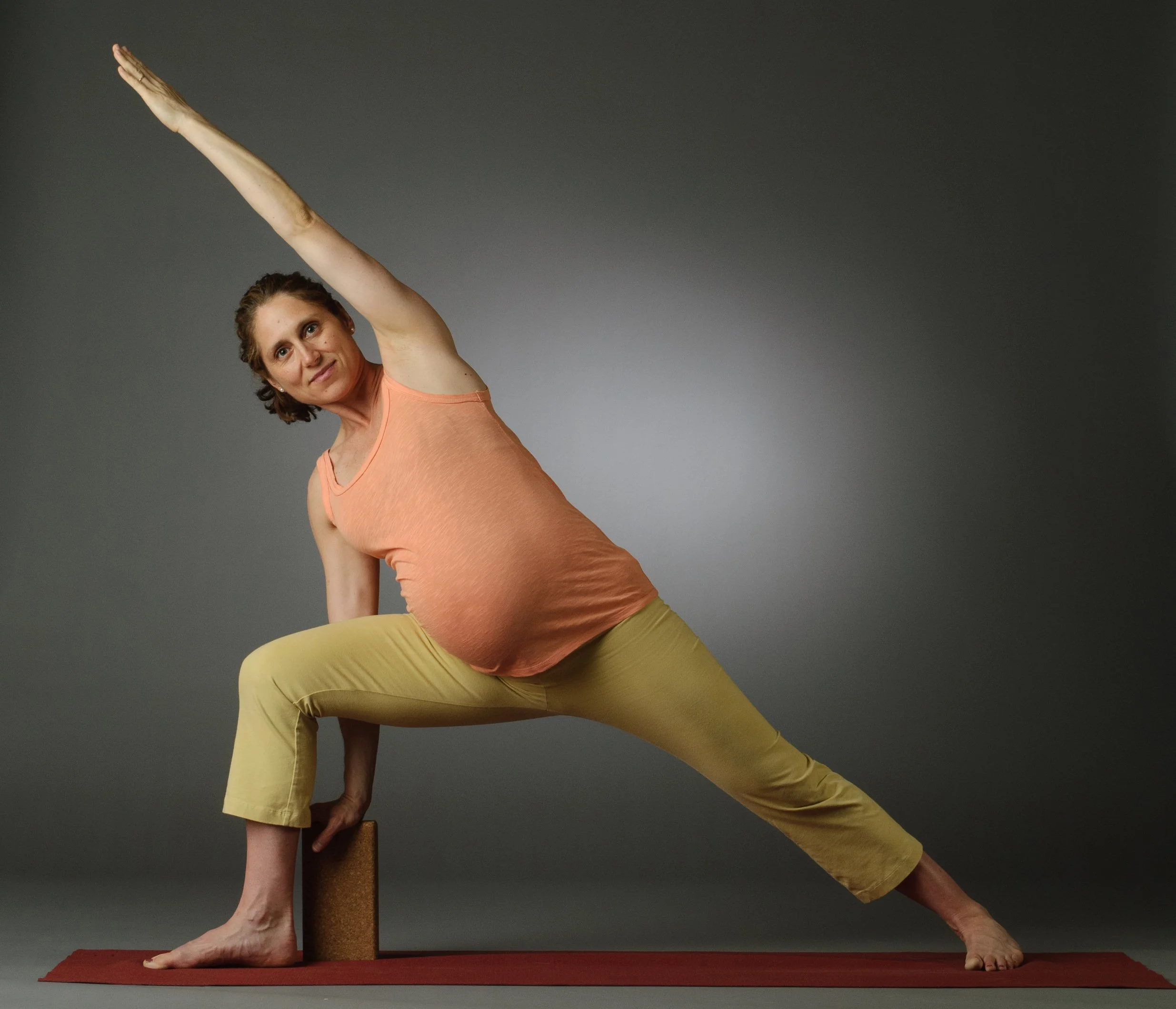
Eight Essentials to Birthing Strong
Build strength, flexibility and confidence with these key practices for birth.

8 Essential Practices for the Power of the Push
Discover movement, breath and positioning to help you push safely and effectively.
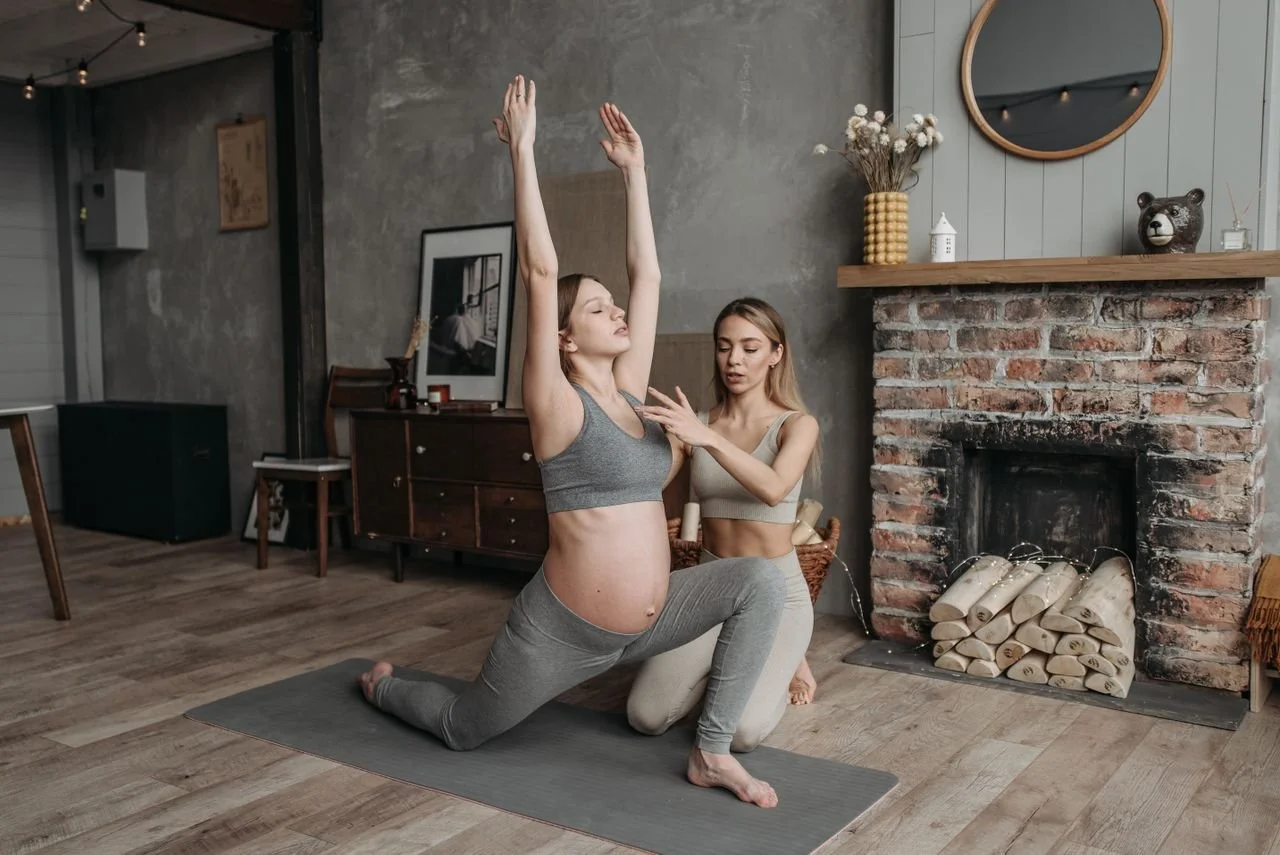
Baby, Body, Breath for Childbirth
Learn simple tools to calm your mind, open your body and support your birth.

Breathing for Birth
Simple breath techniques to support relaxation and focus.

Polyvagal Principles for Birth & Postpartum
Co-regulation serves as the language of our nervous systems, facilitating the dynamic interaction necessary for regulating our autonomic nervous systems, particularly the ventral vagal system. In this process, individuals with a more regulated autonomic nervous system support others in regulating theirs, nurturing feelings of safety and tranquility. During the birthing process, co-regulation serves as a tool that engages the nervous systems of both the labor support person and the client. When the doula and the mother have their ventral vagal circuits synchronized…not only is the mother calm and glowing, but so is the doula.

Empowered Pushing. 2nd Stage Labor & Your Pelvic Floor
One of the shortest part of labor—the pushing stage—is the most important when it comes to impact on your body and lasting effects on the pelvic floor.
What I’ve found is that birthing moms are often underprepared for the pushing stage of labor. They may push inefficiently for extended periods of time. This is not without consequence. Unnecessary forceful pushing can be harmful to the perineum, increasing the risk of tearing and pelvic-floor weakness associated with incontinence or prolapse. Uncoordinated pushing during birth can also lead to further weakening and damaging of the abdominal muscles and pelvic floor.
But it doesn’t have to be this way...

It’s Not Always About the Vagus Nerve
The vagus nerve has become something of a wellness celebrity. On podcasts, in newspapers, in casual conversations, and even from health practitioners, I keep hearing misconceptions about its purpose, its power, and its limits. While the vagus nerve is an important part of the nervous system, it’s only one piece of a much larger system that shapes how we feel, heal, and respond to the world.
In this article, I put the vagus nerve into the context of the wider nervous system that is at the center of your experience. I clarify some of the over-simplifications of the role the vagus plays and provide the reader with examples of nourishing, sustaining habits that support your overall nervous system.

THE PART OF BIRTH MOST PEOPLE
DON’T PREPARE FOR
Pushing Power
Learn how to push safely and effectively, reduce tearing and understand the role of your pelvic floor, baby’s position and your body’s natural biomechanics.
Podcasts for Birth Preparation
Understanding Second Stage of Labor
Prenatal Yoga Center
Understand what happens during the second stage of labor and how your baby’s position, movement and your body work together.

Polyvagal Principles for Birth and Postpartum
Apple Podcast
Explore how nervous system safety, connection and regulation can shape the experience of birth and postpartum.

Prepare for Birth and Pushing
Kumbay’all Podcast
Practical guidance for preparing your body and mind for birth, including the often overlooked pushing stage.
Videos

Polyvagal Institute Conference 2022
“As a doula and health coach Chantal introduces polyvagal informed approach to create the feelings of safety and connection that help expecting families enhance their birthing experience. Her insightful approach incorporates polyvagal principles to support and optimize birth and minimize trauma in both infant and parents.”

The Final Push
Giving birth may be one of the most significant events of any woman's life, and it may also bring up a lot of anxiety and fear, especially around pushing and the possibility of tearing. Whether a natural, physiological birth or an epidural birth is planned; developing body awareness, understanding the relationship between the baby and the pelvis and the role of the pelvic floor ahead of time is essential. In this class I explain how to prepare the perineum prenatally, optimal pushing positions and risk factors for perineum injury.
Books
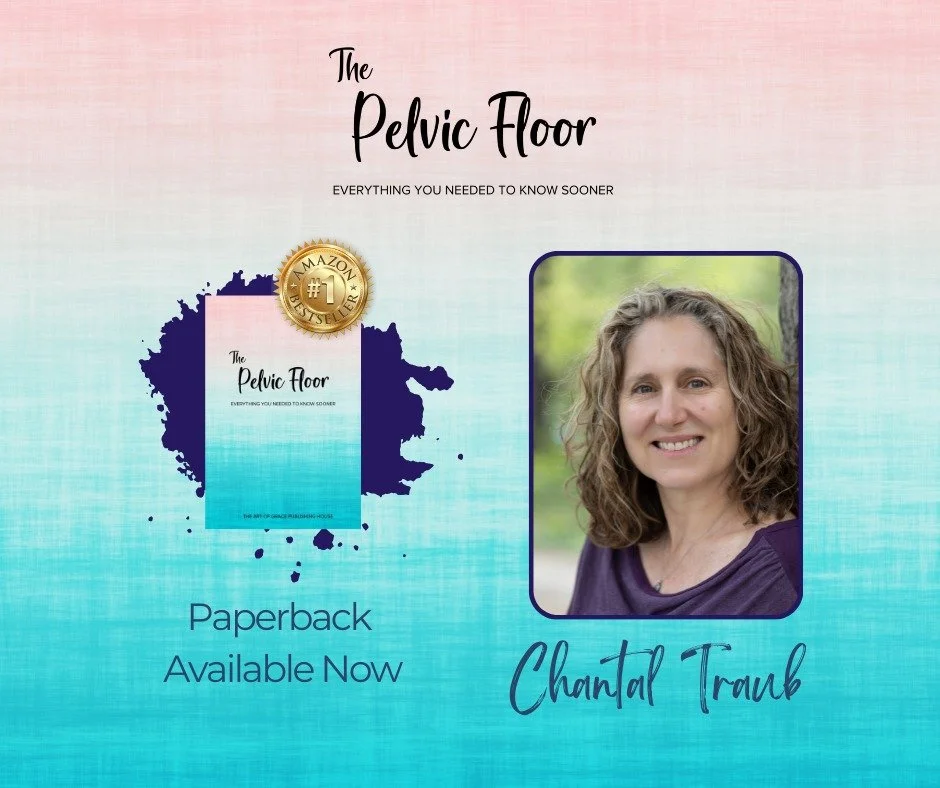
The Pelvic Floor: Everything You Needed To Know Sooner covers topics such as: Pregnancy, Birth, Pelvic Pain, Postpartum, Incontinence and the Mature Pelvic Floor and more!
I'm proud to be one of nine pelvic floor experts, doctors, physical therapists, and fitness professionals, behind The Pelvic Floor.
I authored four chapters spanning the full pelvic floor journey:
Ch. 1 — Get to Know Your Pelvic Floor (a health coaching perspective)
Ch. 12 — Empowered Pushing: Second Stage Labor & Your Pelvic Floor
Ch. 28 — Bladder Issues
Ch. 38 — The Mature Pelvic Floor: Symptoms & Lifestyle Factors in Older Women
Drawing on my work across birth, menopause, and health coaching, these chapters help you understand your pelvic floor and protect your physiology at every life stage.
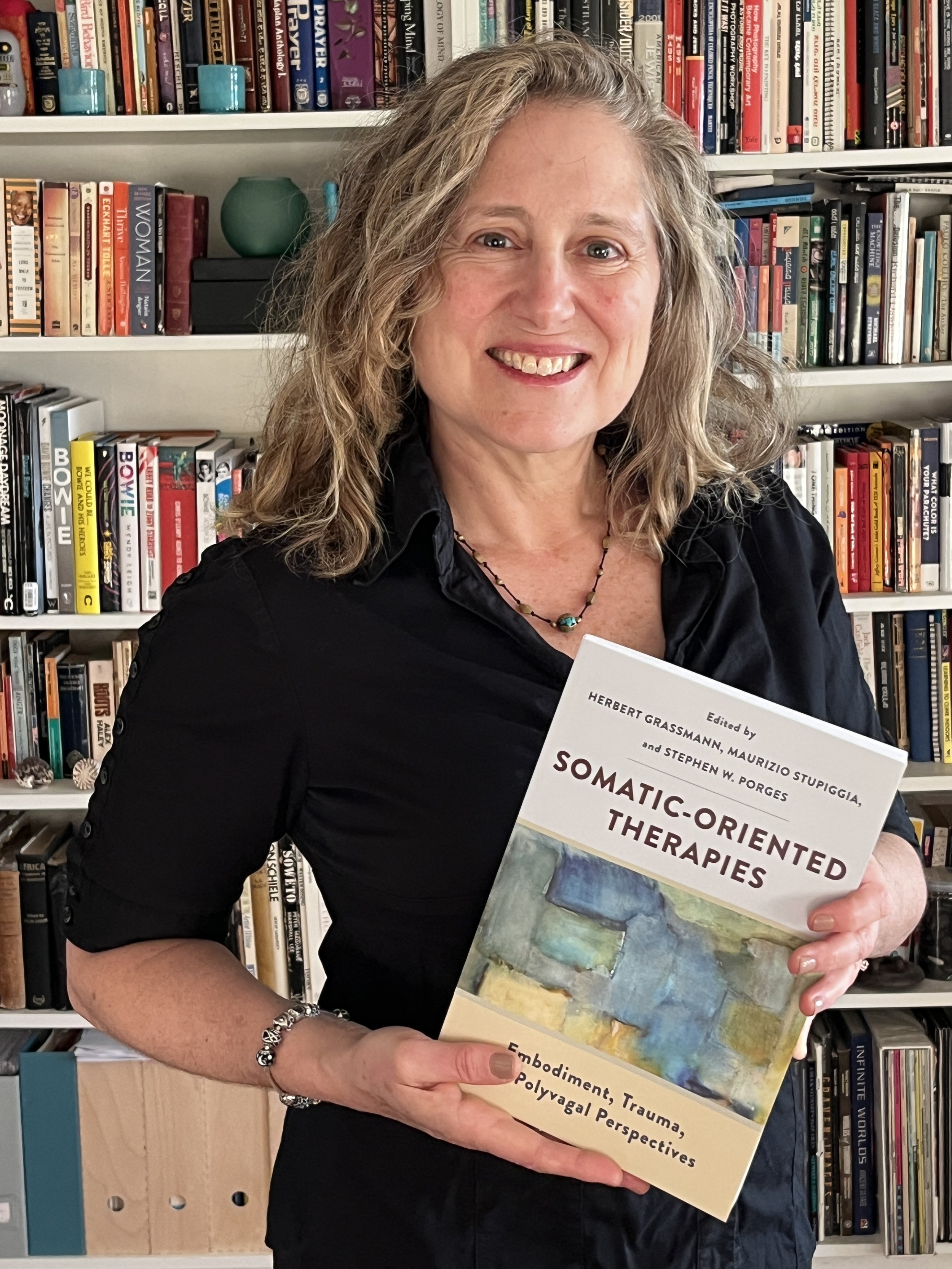
Somatic-Oriented Therapies represents a significant consolidation of innovative research and clinical approaches aimed at addressing trauma through various somatic modalities.
This volume of collected work from some of the world’s leading experts in trauma aims to delineate this novel domain of research and clinical intervention.
Chantal is a contributing author in this volume, writing on the role of safety and nervous system regulation in birth, including fostering connection and co-regulation to minimize trauma for both parents and baby. Drawing on over 20 years as a doula and birth educator, she explores how safety, felt in the body, the mind, and the room, shapes the physiology of labor.